In recent years, a new approach to healthcare — called remote patient monitoring (RPM) — has begun to transform how we stay healthy, especially for people managing chronic conditions or simply wanting more consistent oversight. RPM uses devices such as blood-pressure cuffs, scales, pulse oximeters and glucometers, all equipped with sensors and wireless connectivity, to let patients take their own vital-sign and other physiologic measurements at home.
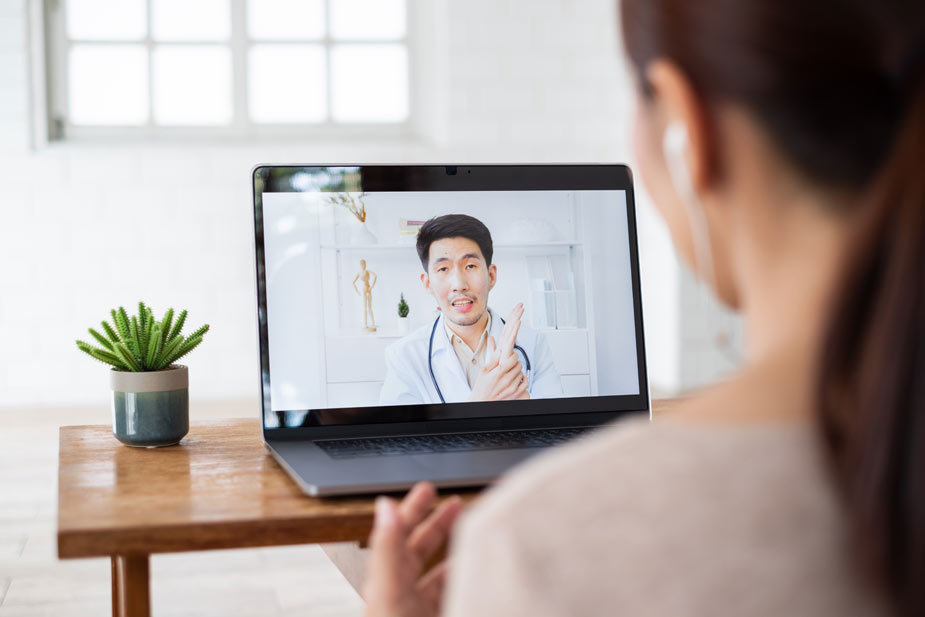
Here’s how it works in everyday life: you step on a smart scale, wrap a cuff around your arm, put your finger into a pulse oximeter, or prick your finger for a glucose reading. The device senses the measurement and securely sends it, via Bluetooth, to a cloud-based system. From there, your Civic Telehealth concierge care team can review the data, spot trends and if something seems off, may ask you to retake your measurement or to contact your physician to report the finding.
The benefits of this approach are many. RPM is built for convenience: fewer clinic visits, less travel and more flexibility. It supports earlier detection of problems and better outcomes, since your nurse team can see health data in close to real time. It’s especially powerful for people managing chronic conditions such as hypertension (high blood pressure) or diabetes, making monitoring part of a daily routine.
Importantly, the technology is designed for ease. Many devices require little more than a button-press with no technical expertise needed. Once set up, everything happens largely behind the scenes: data collection, transmission and review. This user-friendliness lowers the barriers to regular tracking and helps more subscribers stay engaged in their health over the long term.